
Product & Experience Engineering
Where intelligence meets adoption.
You can build the most sophisticated AI in your industry. If the interface is wrong, no one will use it. Adoption is a design problem, and we solve it by building the experience layer that makes intelligence accessible.
[ 001 / 009 ]
Where others invest in the obvious, we explore what lies behind closed doors.
The Enterprise Reality
The AI works. The adoption doesn't.
The model is accurate. The pipeline is stable. The governance is in place. But usage is at 12% because the interface was an afterthought: a form bolted onto a dashboard, designed by the engineering team in sprint 10. Intelligence doesn't fail at the model layer. It fails at the human layer. The screen, the flow, the moment of interaction, that's where adoption lives or dies.
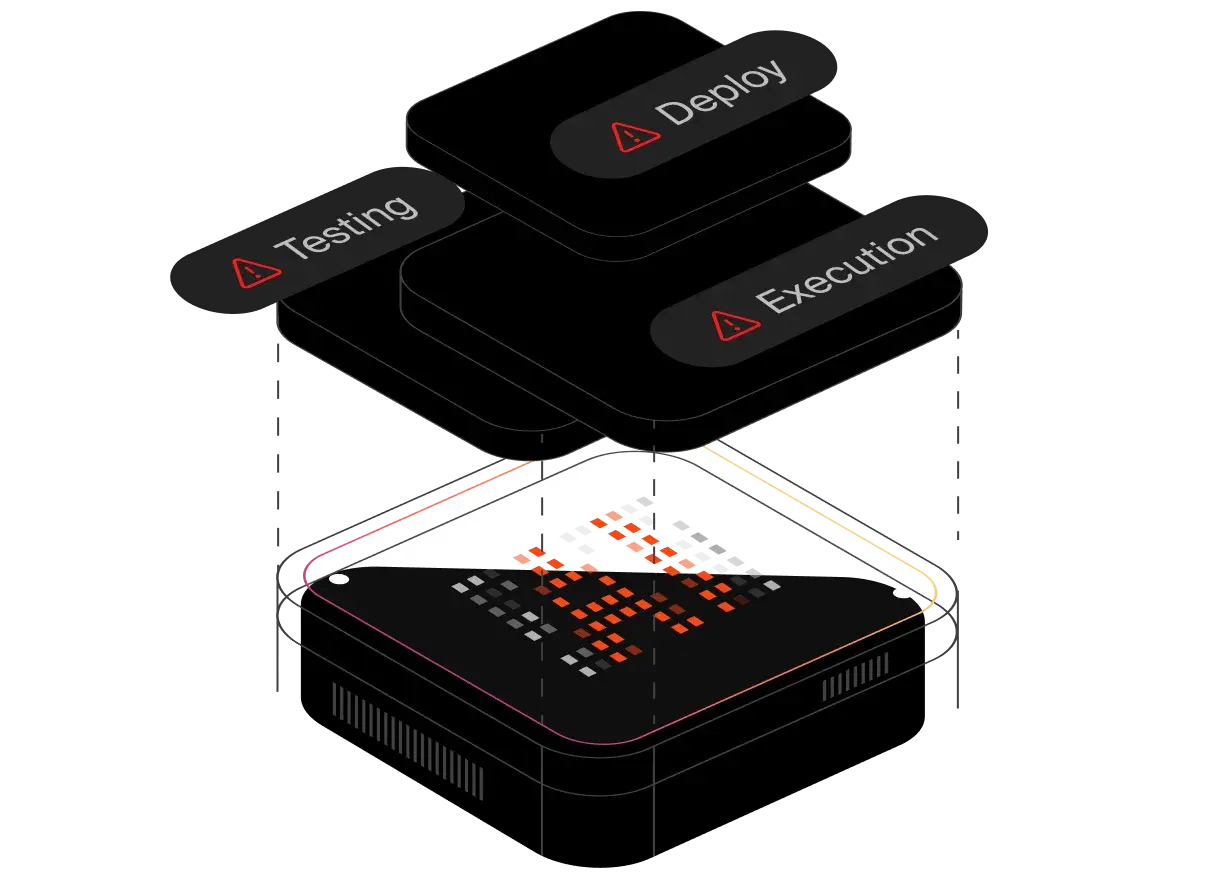
What We Build
The experience layer for intelligent systems.
Products and interfaces designed to make AI capability feel natural, trustworthy, and useful, for the people who interact with it daily.
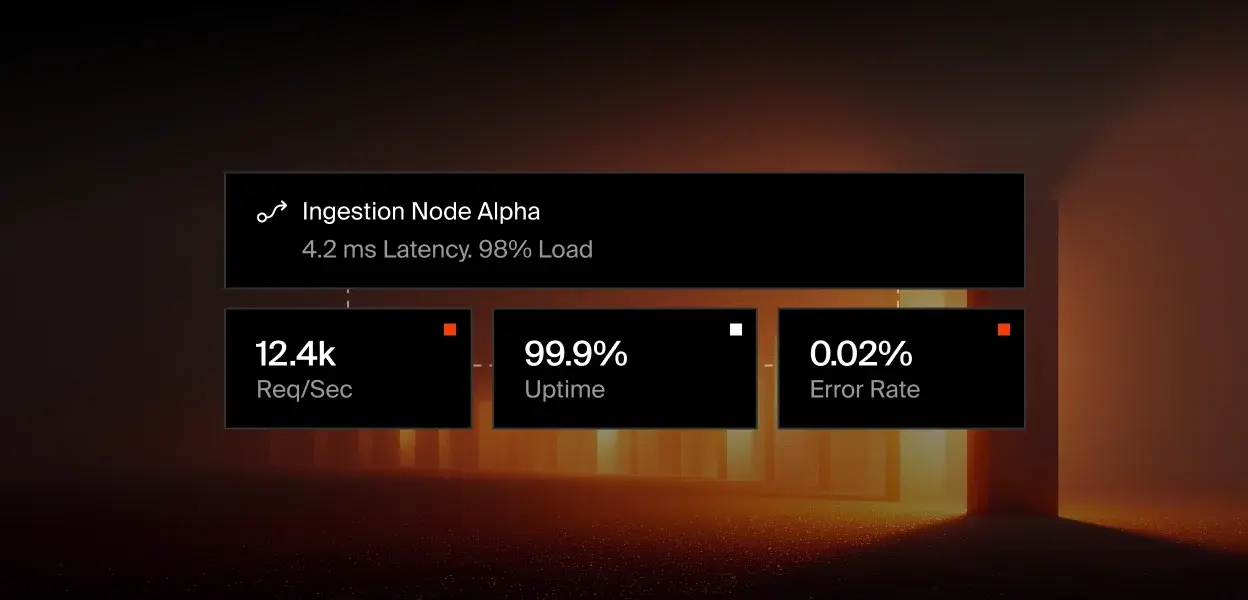
Product Design & Engineering
End-to-end product development: discovery, design, engineering, launch. Internal tools and customer-facing products built for real workflows, not demo scenarios.
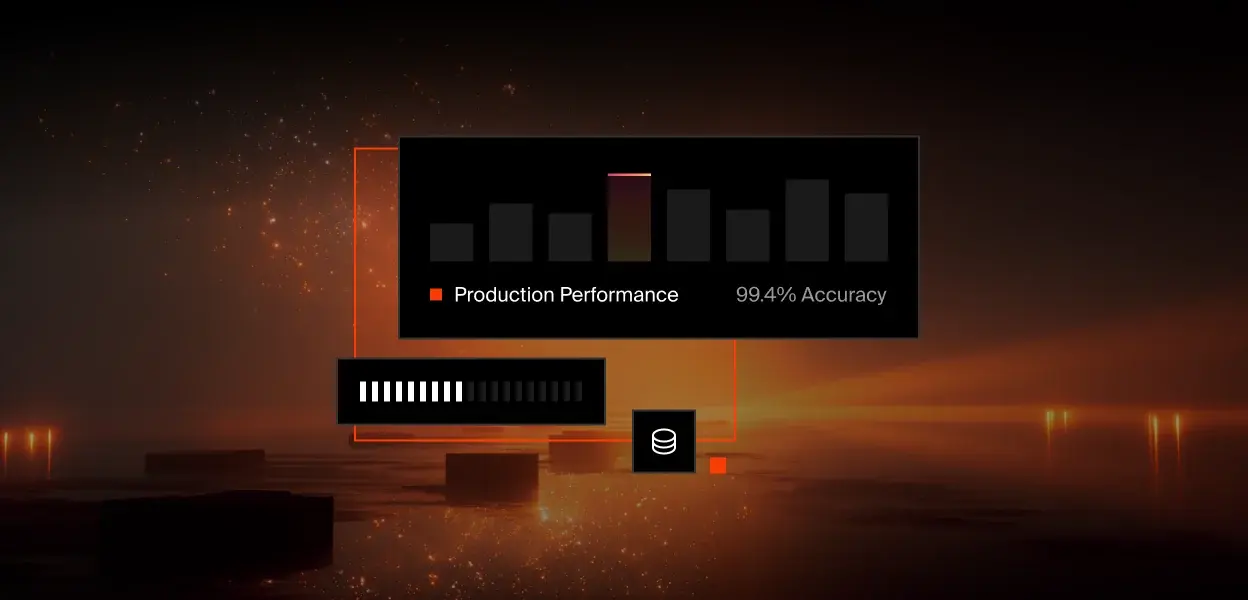
AI-Native Interfaces
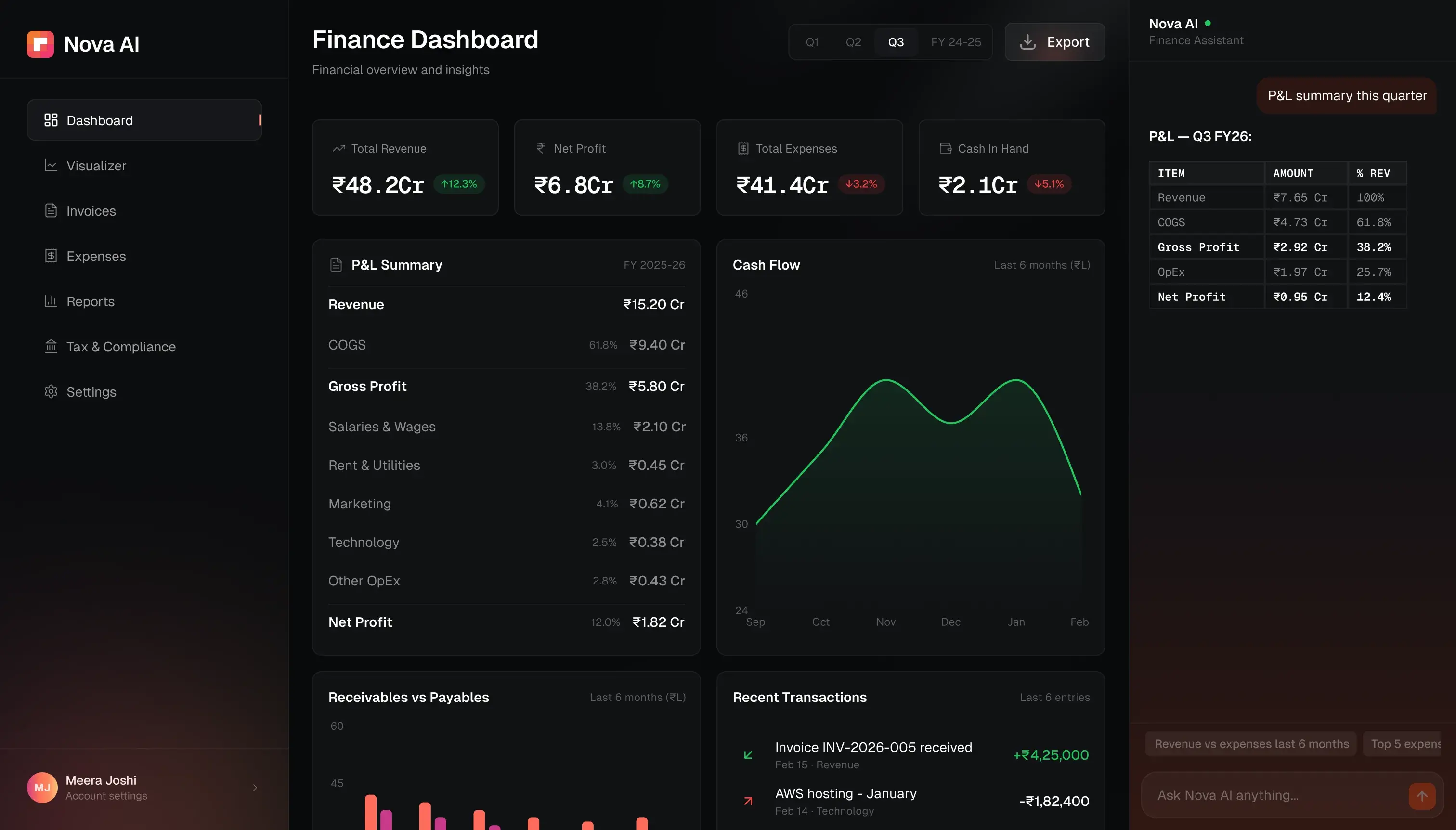
Conversational UIs, copilot surfaces, agent consoles, and decision-support screens. Interfaces designed specifically for AI interaction patterns, not adapted from traditional CRUD forms.
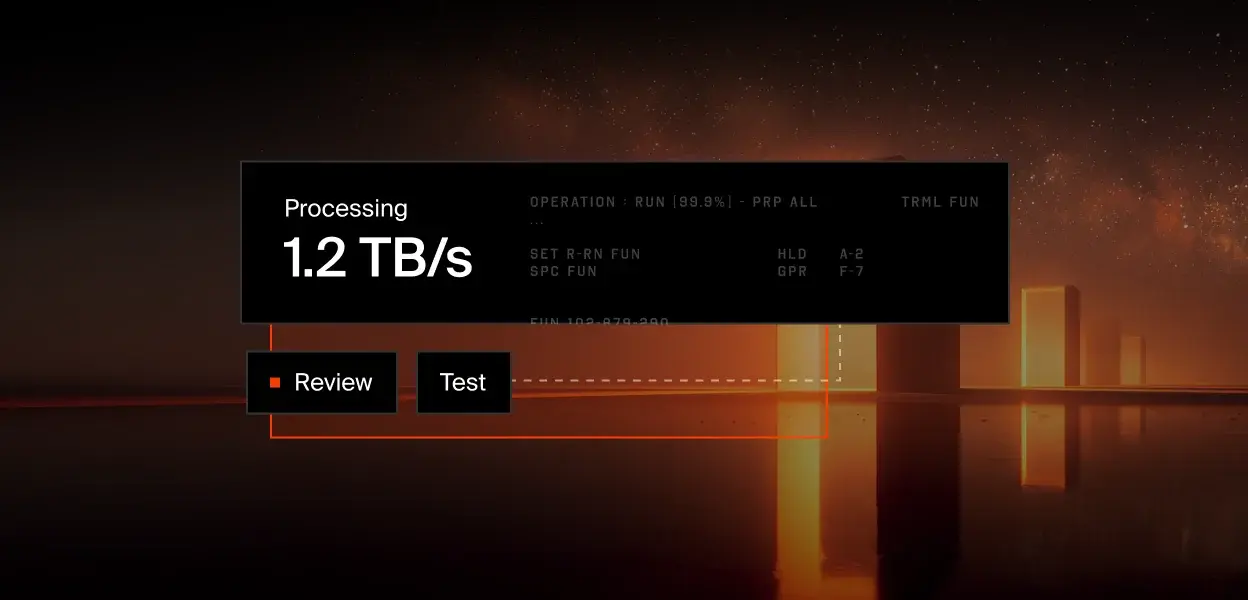
Design Systems & Component Libraries
Scalable design infrastructure for AI-powered products. Reusable components, interaction patterns, and guidelines that ensure consistency as the product ecosystem grows.
Digital Experience & Platforms
Customer portals, marketing platforms, internal dashboards, and digital products. The layer where the organisation meets its users, intelligent, polished, and functional.
How We Design
Intelligence should feel inevitable, not intrusive.
Trust through transparency
Users need to understand what the AI did and why. We design for explainability, surfacing confidence levels, sources, and reasoning.
Action over information
Dashboards inform. Good AI products act. We design interfaces that guide decisions and reduce cognitive load, not add to it.
Adoption by design
We test with real users, in real workflows, before launch. Adoption isn't a training problem; it's a design problem. We solve it upstream.
Trust through transparency
Users need to understand what the AI did and why. We design for explainability, surfacing confidence levels, sources, and reasoning.
Action over information
Dashboards inform. Good AI products act. We design interfaces that guide decisions and reduce cognitive load, not add to it.
Adoption by design
We test with real users, in real workflows, before launch. Adoption isn't a training problem; it's a design problem. We solve it upstream.

What Changes
From 12% adoption to operational standard.

Higher adoption rates
Products designed for the workflow, not around it. Users adopt because the tool makes their day easier, not because a memo told them to.

Faster time-to-value
Discovery through deployment in weeks. Modular design systems that accelerate every subsequent product.

Scalable product infrastructure
Design systems and component libraries that grow with the organisation. Every new product is faster and more consistent than the last.
How We Deliver
From discovery to daily use.
Product & Experience Engineering is delivered as custom engagements, scoped to your product, your users, your adoption challenge. We work embedded with your teams or as a standalone product studio, depending on what the project needs. Every engagement connects back to the intelligence layer. We don't design products in isolation. We design the experience of AI systems that Pixeldust builds or that already exist inside your organisation.



Let's close the adoption gap.
Pixeldust